
Learn the difference between zygomatic implants and ceramic implants and how advanced implant solutions can help restore smiles when traditional implants may not be possible.
Modern implant dentistry offers advanced solutions designed to help more patients restore their smiles—even in cases where traditional dental implants may not be possible. Two specialized options that patients often hear about are zygomatic implants and ceramic implants. While both fall under the category of dental implants, they serve different purposes and are recommended for different clinical situations.
Understanding how these treatments work can help patients better explore their options for restoring missing teeth and improving oral health.
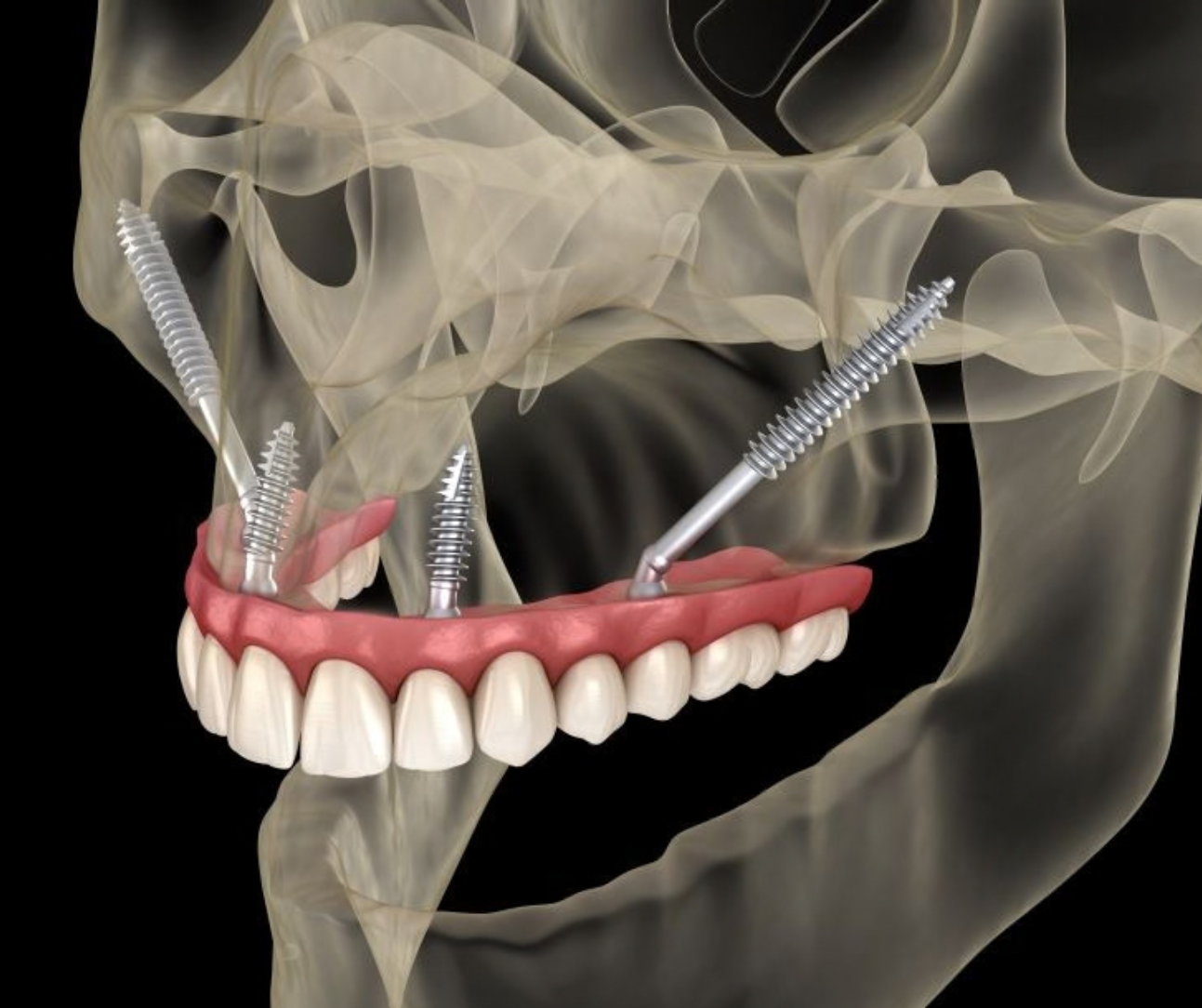
Zygomatic implants are a specialized type of dental implant designed for patients who have experienced significant bone loss in the upper jaw. Unlike traditional implants that anchor into the jawbone, zygomatic implants are anchored into the zygomatic bone, also known as the cheekbone.
Because the cheekbone is denser and more stable, this technique can often eliminate the need for extensive bone grafting procedures. Zygomatic implants are typically used in advanced full-arch restoration cases, particularly when patients have been told they do not have enough bone for traditional implants.
This innovative approach allows many patients with severe bone loss to still benefit from implant-supported teeth.
Ceramic dental implants are an alternative to traditional titanium implants. Instead of metal, these implants are made from high-strength zirconia ceramic, a durable and biocompatible material commonly used in modern dentistry.
Ceramic implants are often chosen by patients who prefer a metal-free option or who are looking for a highly aesthetic solution. Because zirconia is naturally white, ceramic implants may provide improved cosmetic results in certain cases, particularly in areas where gum tissue is thin or highly visible.
These implants are designed to integrate with the bone in a similar way to titanium implants while supporting natural-looking restorations.
Although both options are used in implant dentistry, they serve very different purposes.
Zygomatic implants are designed to address severe bone loss in the upper jaw and provide support for full-arch restorations when traditional implants are not possible.
Ceramic implants, on the other hand, are typically used as an alternative material to titanium implants and are often selected for aesthetic or metal-free treatment preferences.
Your doctor will recommend the most appropriate implant type based on your oral health, bone structure, and overall treatment goals.
Choosing the right dental implant solution requires a detailed evaluation of your oral health. During your consultation, your implant provider will assess bone density, gum health, and the number of teeth that need to be replaced.
Advanced imaging and treatment planning technology allow doctors to determine whether traditional implants, zygomatic implants, ceramic implants, or another implant solution is the best fit for your situation.
Because every patient’s smile is unique, treatment recommendations are always personalized.
Advancements in implant dentistry have made it possible to restore smiles that may have once seemed difficult or impossible to treat. Techniques like zygomatic implants and innovative materials like ceramic implants allow providers to offer more customized solutions for patients with different clinical needs.
These technologies help expand treatment options and allow more patients to benefit from stable, long-lasting tooth replacement.
If you have been told you may not be a candidate for traditional dental implants—or if you are exploring advanced implant solutions—the best first step is a professional consultation.
At SMYLE Dental Implant Centers, advanced imaging and personalized treatment planning help determine the best solution for restoring your smile, function, and confidence.


You'll be notified whenever we post new content, ensuring you never miss out on the latest updates.
Explore our related blog articles for insights on maintaining health. At Care By Dr, we provide expert advice and tips on a variety of medical topics, helping you stay informed and make better healthcare decisions.