
If you’ve been told you need a dental implant but don’t have enough bone to support it, you’re not alone.
One of the most common questions we hear at SMYLE Dental Implant Centers in Huntington and Hauppauge is:
“What’s the difference between a sinus lift and bone grafting?”
Both procedures are designed to rebuild bone so dental implants can be placed safely and securely, but they’re used in different situations.
Let’s break it down in simple terms.
Dental implants require a strong, stable jawbone to support the titanium post that acts as the artificial tooth root.
When teeth are missing for a long time, the jawbone begins to shrink, especially in the upper back portion of the mouth near the sinus cavity.
Advanced 3D CBCT imaging allows us to evaluate:
If there isn’t enough bone, a grafting procedure may be recommended before or during implant placement.
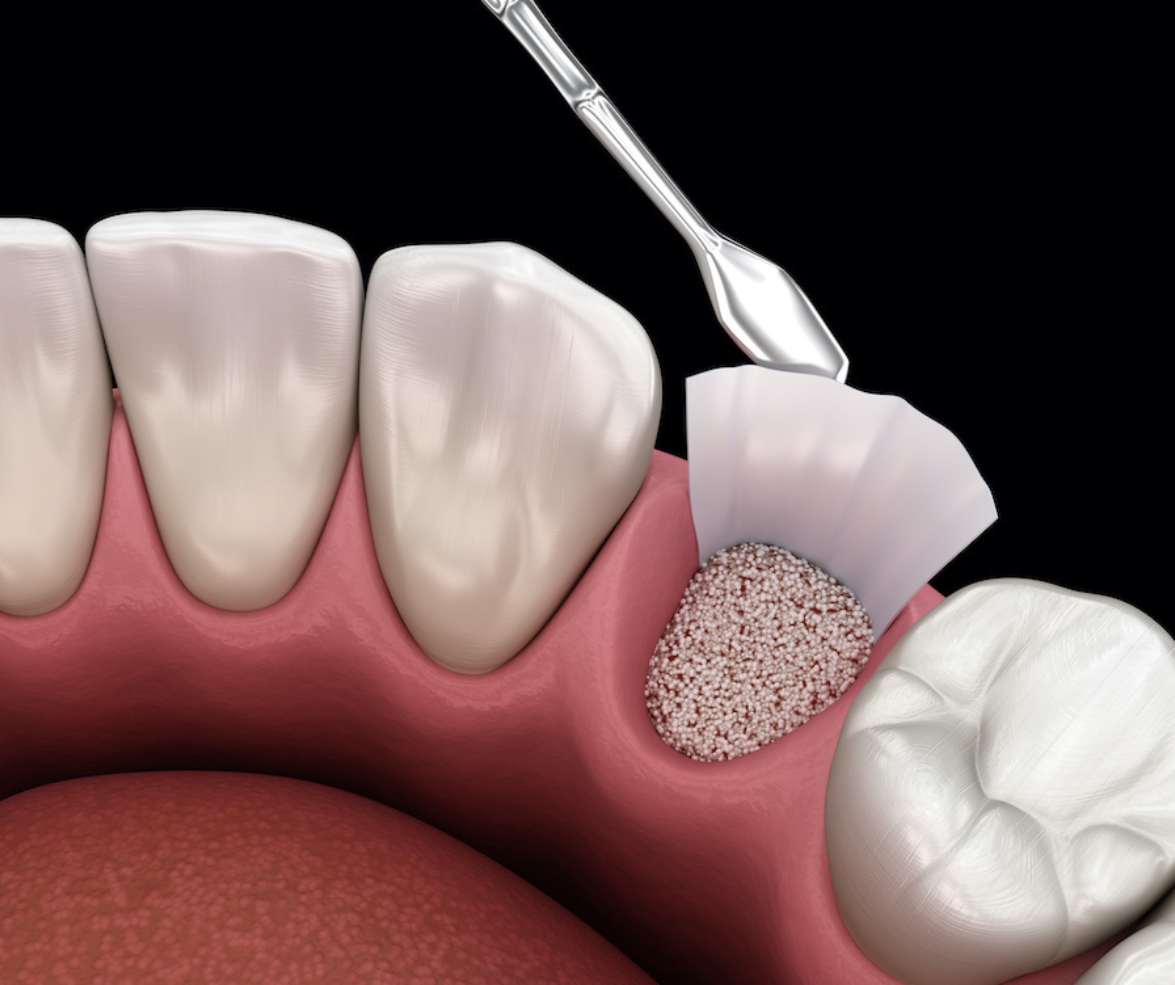
Bone grafting is a procedure that rebuilds or strengthens areas of the jaw that have lost bone volume.
It can be used anywhere in the mouth and is commonly needed when:
During the procedure, grafting material is placed in the deficient area to stimulate natural bone regeneration. Over time, your body integrates the material, creating a solid foundation for a dental implant.
A sinus lift (also called sinus augmentation) is a specific type of bone grafting performed in the upper back jaw.
When upper molars are missing, the sinus cavity can expand downward over time, reducing the amount of bone available for implants.
A sinus lift gently elevates the sinus membrane and places bone grafting material underneath it to create additional vertical bone height.
This makes it possible to place dental implants safely in areas that would otherwise lack support.
Here’s the simplest way to think about it:
All sinus lifts involve bone grafting, but not all bone grafts are sinus lifts.
Not necessarily.
Depending on your bone quality and treatment plan:
Your treatment plan depends on your anatomy, health history, and long-term goals.
Most patients are surprised by how manageable the procedure is.
At SMYLE Dental Implant Centers, we offer:
Mild swelling or soreness is normal, but recovery is typically straightforward and well tolerated.
Sinus lifts and bone grafting require precision.
That’s why we use high-resolution CBCT 3D imaging to:
This technology ensures predictable results and long-term implant stability.
Yes, and this is important.
Many patients across Long Island assume they are “not candidates” for dental implants due to bone loss.
In reality, modern implant dentistry offers multiple solutions:
Even patients who were previously told “no” may now qualify.
If you’ve been told you need a sinus lift or bone grafting, the best step is a comprehensive implant consultation.
At SMYLE Dental Implant Centers in Huntington and Hauppauge, we evaluate your bone structure using advanced imaging and create a personalized plan designed for long-term success.
With the right foundation, dental implants can restore function, stability, and confidence for decades to come.


You'll be notified whenever we post new content, ensuring you never miss out on the latest updates.
Explore our related blog articles for insights on maintaining health. At Care By Dr, we provide expert advice and tips on a variety of medical topics, helping you stay informed and make better healthcare decisions.



.png)


